
In the world of HVAC (Heating, Ventilation, and Air Conditioning), technology is evolving rapidly, bringing innovations like solar integration and advanced sensors that promise efficiency, cost savings, and better comfort. However, myths and misconceptions often hold businesses and homeowners back from adopting these solutions. As an HVAC professional, we’re here to set the record straight with straightforward explanations based on real facts. Let’s dive into common myths about solar-powered HVAC systems and sensors, debunking them one by one to help you make smarter choices for your business or home.
Solar HVAC Myths: Shining Light on the Truth
Solar technology in HVAC includes systems like solar-powered air conditioners, water heaters, and attic fans that reduce reliance on traditional energy sources. While solar has gained popularity, several persistent myths can mislead potential users. Here’s the reality:
Myth 1: Solar HVAC Only Works in Hot, Sunny Climates
Many believe solar panels for HVAC systems are useless in cloudy or rainy areas, assuming they need constant direct sunlight to function effectively.
Debunked: Modern solar panels generate power even in overcast conditions, making them viable in diverse climates. Advances in panel efficiency mean they can capture diffuse light, not just direct rays. For HVAC businesses, this opens opportunities in regions beyond the sunbelt—think efficient solar AC units or water heaters that still cut energy bills year-round.
Simply put: Solar panels convert sunlight into electricity via photovoltaic cells. Even on cloudy days, enough light penetrates to produce usable power, often 10-25% of peak output. Paired with battery storage, your HVAC system stays powered without grid dependency.
Myth 2: Solar HVAC Systems Are Too Expensive for Most Businesses
The upfront cost is often cited as a barrier, with people thinking solar integration adds thousands without quick returns.
Debunked: Prices have dropped significantly, and with incentives like tax credits, the payback period is typically 5-10 years through reduced utility bills. Financing options, including low monthly payments, make it accessible for small HVAC operations or commercial buildings.
In simple terms: A basic solar HVAC setup might cost $10,000-$20,000 initially, but savings of $1,000+ annually on energy can recoup that fast. For businesses, this means lower operational costs and a greener image that attracts eco-conscious clients.
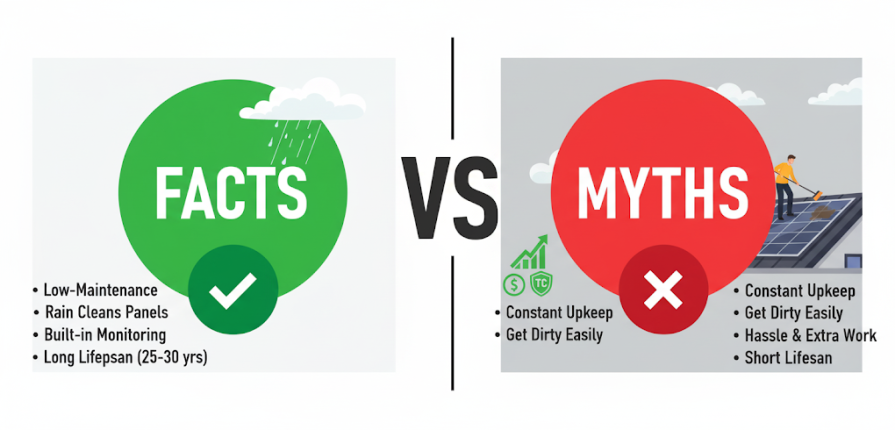
Myth 3: Solar HVAC Requires Constant Maintenance
There’s a notion that solar panels get dirty easily and need frequent upkeep, adding hassle to your HVAC routine.
Debunked: These systems are low-maintenance; rain often cleans panels naturally, and built-in monitoring alerts you to any issues. Most last 25-30 years with just occasional inspections.
Explained simply: Panels are durable and self-cleaning in many cases. For HVAC integration, like solar attic fans that ease your AC’s workload, the tech handles itself—reducing wear on traditional components and extending system life.
Sensor Myths in HVAC: Sensing the Facts
Sensors in modern HVAC systems—think smart thermostats, occupancy detectors, and IoT monitors—help optimize performance by detecting temperature, humidity, air quality, and more. Yet, myths persist about their value and complexity. Let’s clear the air:
Myth 1: HVAC Sensors Are Unnecessary Gadgets That Don’t Save Energy
Some view sensors as extra tech that complicates systems without real benefits, assuming manual controls are sufficient.
Debunked: Sensors provide real-time data to automate adjustments, cutting energy use by 10-30% through precise control. For example, occupancy sensors turn off HVAC in empty rooms, while vibration sensors predict maintenance needs.
In plain language: A basic sensor setup monitors airflow and alerts you to inefficiencies, like dirty filters, preventing wasteful operation. For businesses, this translates to lower bills and fewer breakdowns—IoT sensors can even integrate with apps for remote oversight.
Myth 2: Smart Sensors and Thermostats Are Too Complicated to Use
The fear is that these “smart” features require tech expertise, leading to frustration rather than convenience.
Debunked: Modern systems are user-friendly with intuitive apps and auto-learning capabilities, making them easier than traditional thermostats. They adapt to your schedule without constant tweaks.
Simply: A smart thermostat learns your patterns—like ramping up cooling before peak hours—and adjusts automatically. For HVAC businesses managing multiple sites, this means hands-off efficiency, with features like geofencing that activate based on location.
Myth 3: Sensors Don’t Work Well in Older HVAC Systems
People often think sensors are only for new builds, assuming retrofitting is impossible or ineffective.
Debunked: Many sensors are compatible with existing systems, enhancing performance without a full overhaul. Wireless options make installation straightforward.
Explained easily: Add-on sensors, like pressure monitors in ducts, can spot leaks or imbalances in any setup. This helps businesses upgrade incrementally, improving air quality and energy use in older commercial spaces.
Wrapping It Up: Embrace the Tech for a Cooler Future
By debunking these myths, it’s clear that solar and sensor technologies in HVAC aren’t just buzzwords—they’re practical tools for efficiency, savings, and sustainability. Whether you’re running an HVAC business or outfitting one, integrating these can reduce costs, minimize downtime, and appeal to environmentally aware customers. If you’re ready to explore solar-powered units or sensor upgrades, consult a professional to tailor solutions to your needs. Stay informed, stay efficient—your wallet and the planet will thank you!
Recent Comments